
Booster sessions, supervision, graded progression, goal setting, and feedback, stacked together rather than used alone. A 2024 overview of 19 systematic reviews covering 205 randomized trials found a standardised mean difference of 0.24 in favour of these techniques. Small, consistent, and better when combined.
What does the pooled evidence say?
Every technique helps a little and none is a solution by itself. The 2024 overview by Ley and Putz in Systematic Reviews synthesized 19 systematic reviews covering 205 unique randomized controlled trials on adherence to physiotherapy in adults.
The pooled effect for booster sessions, behaviour change techniques, goal setting, and motivational interventions was a standardised mean difference of 0.24, with a 95% confidence interval of 0.13 to 0.34. Heterogeneity was zero, meaning the trials broadly agreed. Overall certainty was rated low because of methodological limitations, and most gains applied to short and medium-term adherence.
| Technique | Strength of evidence | What it depends on |
|---|---|---|
| Booster sessions | Moderate in musculoskeletal populations | Scheduled contact after the main block of care |
| Supervision | Moderate | Clinician time per visit |
| Graded exercise progression | Moderate | A measurable basis for progressing load |
| Goal setting | Supported, modest effect | Goals the patient can verify were met |
| Feedback and self-monitoring | Supported, modest effect | Data the patient finds credible |
| Education alone | Weaker and inconsistent | Does not change perceived progress |
Why does stacking techniques beat picking one?
The overview found that using a greater number of distinct techniques together was associated with higher efficacy. That is a practical finding, not a theoretical one. A clinic waiting for the one intervention that fixes adherence is waiting for something the evidence says does not exist.
The realistic version is a stack that fits inside a normal visit: a goal the patient can check, a measurement that supports feedback, and a scheduled follow-up after the main block of care.
What makes feedback credible to a patient?
Something they can verify without taking your word for it. Goal setting and feedback both appear in the effective column, and both quietly assume the patient believes the input.
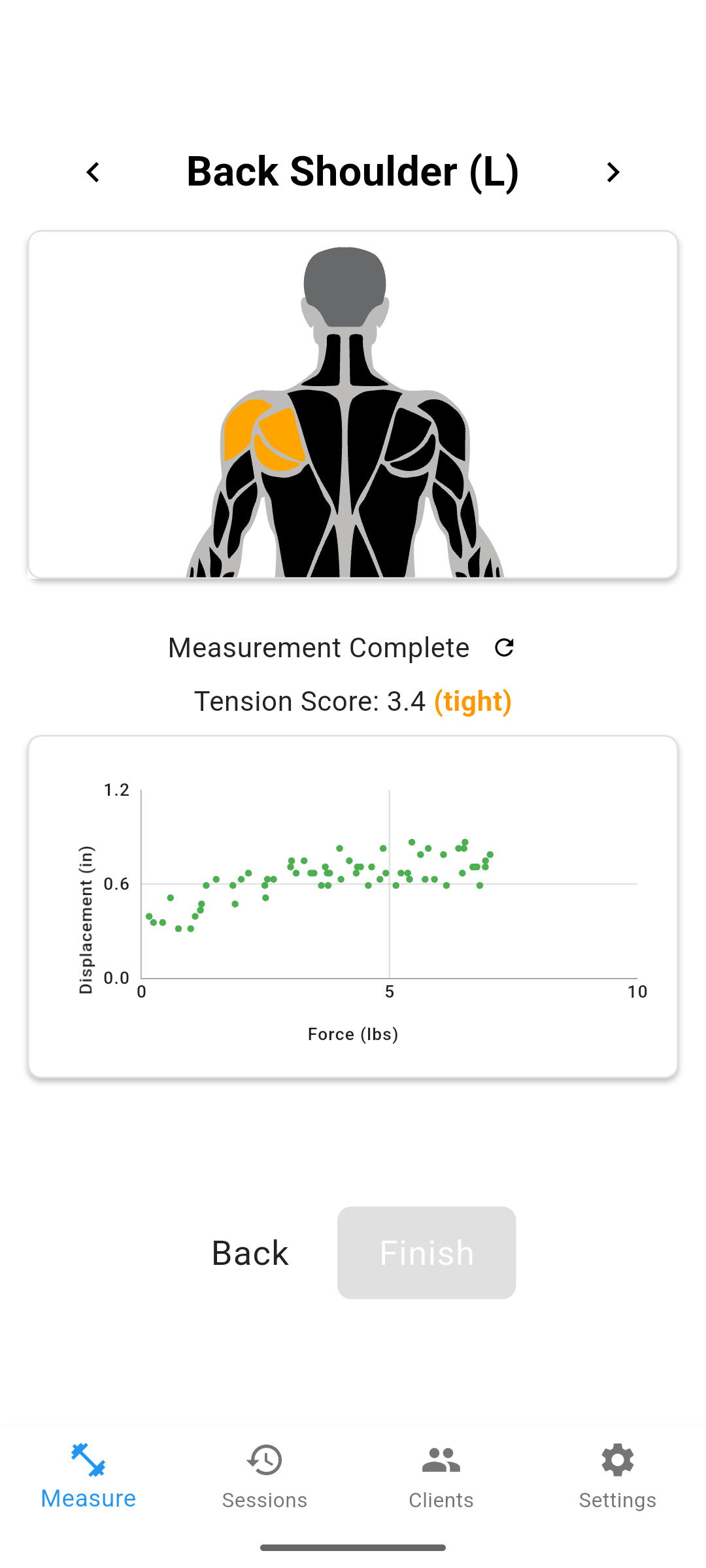
Telling a patient they are improving is a clinical opinion. Showing them the same measurement taken the same way at baseline and again at week four is a comparison. The second one survives the drive home.
Survey data: In a 2026 survey of 455 patients who stopped chiropractic care, 58% cited perception-based reasons: 36% felt no progress, and 22% felt better and stopped. Neither group was shown that their soft tissue stiffness was still elevated.
Both of those groups made an adherence decision using their own recollection as the only data source. No behaviour change technique reaches a patient who has already concluded the answer.
Where do reminders and scheduling fit?
They handle forgetting, which is the easiest cause and not the largest one. Text reminders, online rescheduling, and flexible hours reduce friction and are worth having. They do not address a patient who believes the treatment is not producing anything.
A 2024 review in the Journal of Physical Activity and Health on adherence support for chronic musculoskeletal pain reached a similar place: individual goal setting and feedback may help, results are mixed, and the effects are context dependent.
What should a clinic do with this?
Build the stack around one measurement habit. Take an objective baseline at the first visit. Repeat the same measures on a fixed schedule so goal setting and feedback have something to reference. Add a booster contact after the main block of care ends.
Keep the claims narrow. A change in a stiffness reading may reflect a change in the tissue. It does not diagnose a condition, it does not predict recurrence, and stiffness and pain move independently, so a patient may improve on one and not the other.
Frequently Asked Questions
What is the strongest evidence on improving adherence?
A 2024 overview by Ley and Putz synthesized 19 systematic reviews covering 205 unique randomized trials. Pooled analysis of booster sessions, goal setting, and motivational interventions produced a small but significant effect on adherence, with a standardised mean difference of 0.24.
How large is a standardised mean difference of 0.24?
Small but real. The 95% confidence interval ran from 0.13 to 0.34 and heterogeneity was zero, meaning the studies agreed with each other. No single technique produced a large effect on its own.
Does using more techniques together help?
Yes. The overview reported that using a greater number of distinct behaviour change techniques in combination was associated with higher efficacy, which favours a layered approach over one flagship intervention.
Which specific techniques had the most support?
Booster sessions, supervision, graded exercise, goal setting, and feedback had moderate supporting evidence in musculoskeletal populations. Purely educational or psychosocial interventions had weaker and less consistent evidence.
Why does feedback need objective data behind it?
Feedback only changes behaviour if the patient believes it. Telling a patient they are improving is an opinion, while showing a repeated measurement taken the same way each time is a comparison they can check themselves.
How long do adherence gains last?
Most documented benefits applied to short and medium-term adherence rather than long-term. Overall certainty of evidence was rated low because of methodological limitations across the included trials.
Do reminders count as a behaviour change technique?
They address forgetting, which is a narrow slice of non-adherence. A patient who has concluded that treatment is not producing anything will not be moved by a text message about the appointment time.
One approach is to add a second channel of objective data alongside subjective pain reports. Options include soft tissue stiffness measurement (such as MuscleMap), range-of-motion testing, and posture analysis. Each gives you something concrete to show the patient rather than asking them to take your word for it.