
The early evidence points that way. In a 2026 study, chiropractic and rehabilitation patients using a remote therapeutic monitoring app kept more appointments and stayed adherent longer than patients without it. Monitoring works by keeping the patient engaged between visits, which is when most quiet dropout happens. It also gives you data to show progress.
What Is Remote Therapeutic Monitoring?
Remote therapeutic monitoring is tracking a patient's status between office visits. It can pull in home exercise adherence, self-reported pain, and objective readings such as soft tissue stiffness. The point is simple. A patient spends about one hour a month in your office and the rest of the month on their own. Monitoring gives you a view of that gap, so a patient drifting away shows up as data rather than an empty slot in your schedule.
Why Does Monitoring Between Visits Cut Dropout?
Most patients who quit never tell you. They just stop booking. Practitioners describe it the same way in practice forums: patients vanish without complaint, usually somewhere between the third and sixth visit, right when lasting change tends to begin. A monitoring channel flags a lengthening gap or a stalled exercise log early. That turns a silent exit into a prompt to reach out while the patient is still reachable.
What Does the Evidence Show?
Patients on a monitoring platform kept more appointments and adhered better. A 2026 study of the EMBODI remote therapeutic monitoring platform found that patients using the app in chiropractic and rehabilitation clinics adhered to their plans better and kept more appointments than those without it. The relationship still matters. A 2024 paper on the chiropractor-patient working alliance found that a cooperative, trusting relationship built early in care supports both adherence and outcomes. Monitoring gives that relationship something concrete to work with.
Does It Help Revenue?
Retention and revenue move together. The EMBODI study also reported a positive effect on clinic revenue, which follows directly from adherence. A patient who completes a plan generates more visits than one who leaves after early relief. A 2024 systematic review in the Journal of Patient Experience found chiropractic satisfaction is driven by the quality of clinical interaction as much as by outcomes, so the goal is not more contact for its own sake. It is contact that shows the patient their care is working.
| Monitoring channel | What it tells you between visits |
|---|---|
| Appointment gaps | Whether a patient is drifting toward dropout |
| Home exercise log | Whether the prescribed plan is actually being done |
| Self-reported pain | How the patient feels, which is one signal among several |
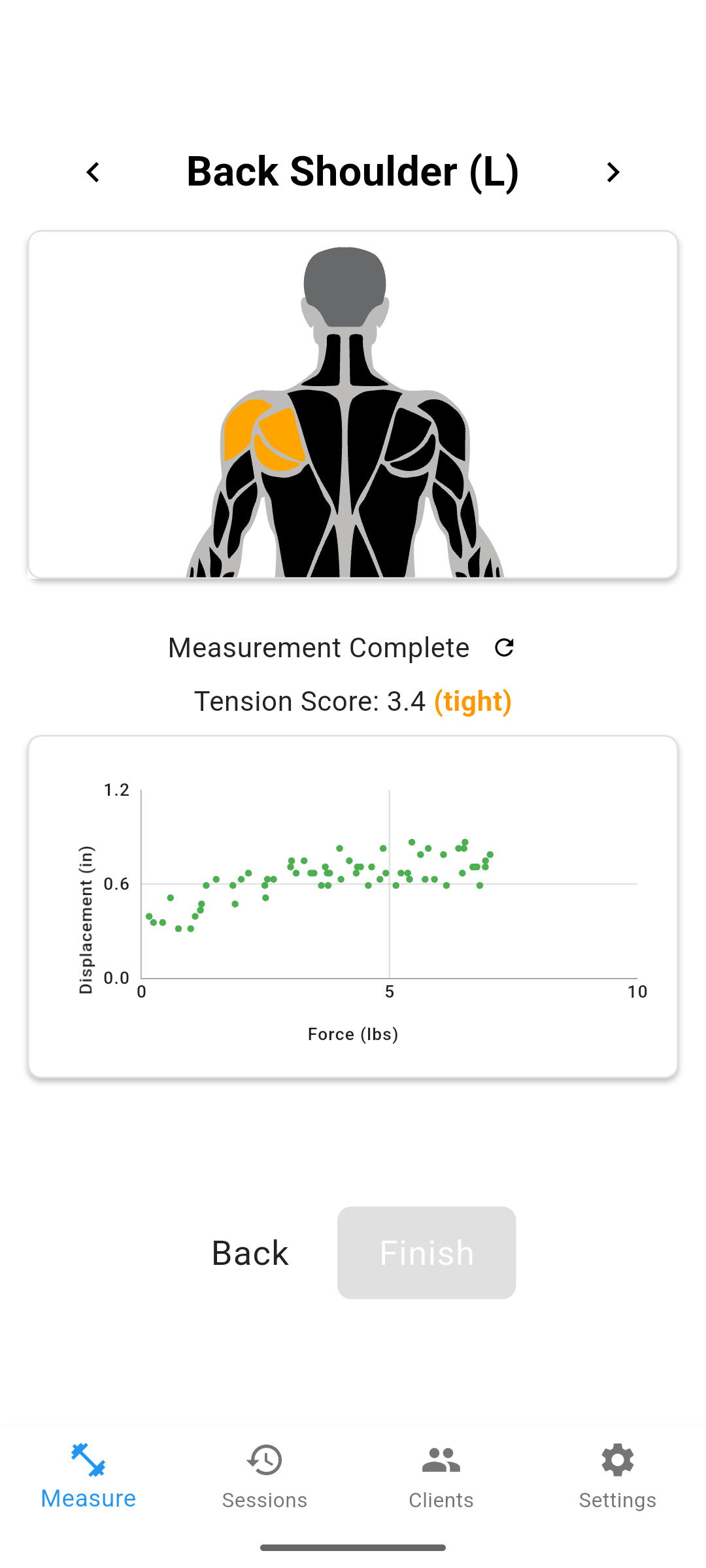
| Soft tissue stiffness readings | Objective change the patient may not be able to feel |
Survey data: In a 2026 survey of 455 patients who stopped chiropractic care, 58% cited perception-based reasons: 36% felt no progress, and 22% felt better and stopped. Neither group was told their soft tissue stiffness was still elevated. A monitoring channel that surfaces that data gives the patient a concrete reason to stay rather than relying on how they feel that week.
Frequently Asked Questions
Does remote therapeutic monitoring improve chiropractic patient retention?
The early evidence points that way. In a 2026 study, patients using a remote therapeutic monitoring app kept more appointments and stayed adherent longer than patients without it. Monitoring works by keeping the patient engaged between visits, which is when most quiet dropout happens.
What is remote therapeutic monitoring in a chiropractic practice?
It is tracking a patient's status between office visits using a device or app. It can include home exercise adherence, self-reported pain, and objective data such as soft tissue stiffness readings, giving you a view of the patient outside the treatment room.
How does monitoring between visits reduce dropout?
Most patients who quit never say anything. They stop booking between the third and sixth visit. A monitoring channel flags a lengthening gap or a stalled exercise log early, so you can reach out before the patient is gone rather than after.
Does remote monitoring add revenue?
The 2026 study reported a positive effect on clinic revenue alongside better adherence. Retention and revenue move together, because a patient who completes a plan generates more visits than one who drops out after early relief.
Can objective stiffness data be part of remote monitoring?
Yes. A soft tissue stiffness reading taken at each visit and tracked over time is one objective channel a monitoring program can use. It may show change the patient cannot feel, which gives them a concrete reason to keep going.
Does monitoring replace the in-person relationship?
No. Research on the working alliance shows that trust and communication early in care drive adherence. Monitoring supports that relationship by giving you something concrete to discuss, but it does not replace the conversation.
One approach is to add a second channel of objective data alongside subjective pain reports. Options include soft tissue stiffness measurement (such as MuscleMap), range-of-motion testing, and posture analysis. Each gives you something concrete to show the patient rather than asking them to take your word for it.