
They reduce missed appointments, not early discharge. Patients with an active portal account were 21.5% less likely to no-show across 1.6 billion visits in 2024. That is real. It also solves a different problem than the one costing you most patients, because 58% of dropout is perception-based.
What Does the Evidence Say About Portals?
The attendance effect is large and well-measured. An analysis of more than 1.6 billion visits in 2024 found patients with an active portal account at the time of scheduling had a 6.2% no-show rate compared to 7.9% for patients without one. That is a 21.5% relative reduction, consistent across age groups.
Portals also help recover patients who already missed. A randomized trial of portal-based reminders sent after a missed appointment produced a 22% rebooking rate within 30 days, against 11.6% for a mailed letter. Among patients who actually opened the message, reattendance reached 28.4%.
How Much Do Reminders Add?
About 11%, which is meaningful but bounded. A 2026 systematic review and meta-analysis of appointment reminders reported a pooled relative risk of 1.11 for attendance versus usual care, with SMS reminders at 1.14. Reminders work. They work on the specific failure mode of forgetting.
They do nothing for the patient who remembers the appointment, shows up for six visits, and then decides the care is not doing anything.
Which Dropout Problem Are You Actually Solving?
Split your dropout into two buckets before you buy software. Logistics dropout is friction: forgotten appointments, hard rescheduling, paperwork, limited hours. Perception dropout is belief: the patient concludes nothing is changing, or concludes everything is fixed. Digital tools address the first bucket well and the second bucket not at all.
| Reason for stopping | Proportion | Fixed by a portal or online booking? |
|---|---|---|
| Felt no progress | 36% | No |
| Felt better, self-discharged | 22% | No |
| Cost or insurance constraints | ~25% (estimated) | Partly, via transparent billing |
| Scheduling, logistics, other | ~17% (estimated) | Yes |
If perception drives most of your attrition, a portal caps out at recovering a slice of the smallest bucket. That is still worth doing. It is not a retention strategy.
Why Does Experience Still Matter?
Because friction pushes out patients you were otherwise keeping. Survey reporting from Tebra found 65% of patients say they would switch providers for a better overall experience, citing communication, wait times, and digital convenience.
Read that as a floor requirement rather than a differentiator. Easy booking and clear communication stop you from losing patients for avoidable reasons. They do not give a patient a reason to stay through visit eight when the pain is already gone.
What Closes the Perception Gap?
A second channel of data the patient can watch change. When pain is the only measure in the room, a plateau in pain reads as a plateau in care. Adding an objective measure at baseline and at each re-examination gives you something to point at when the subjective report has flattened.
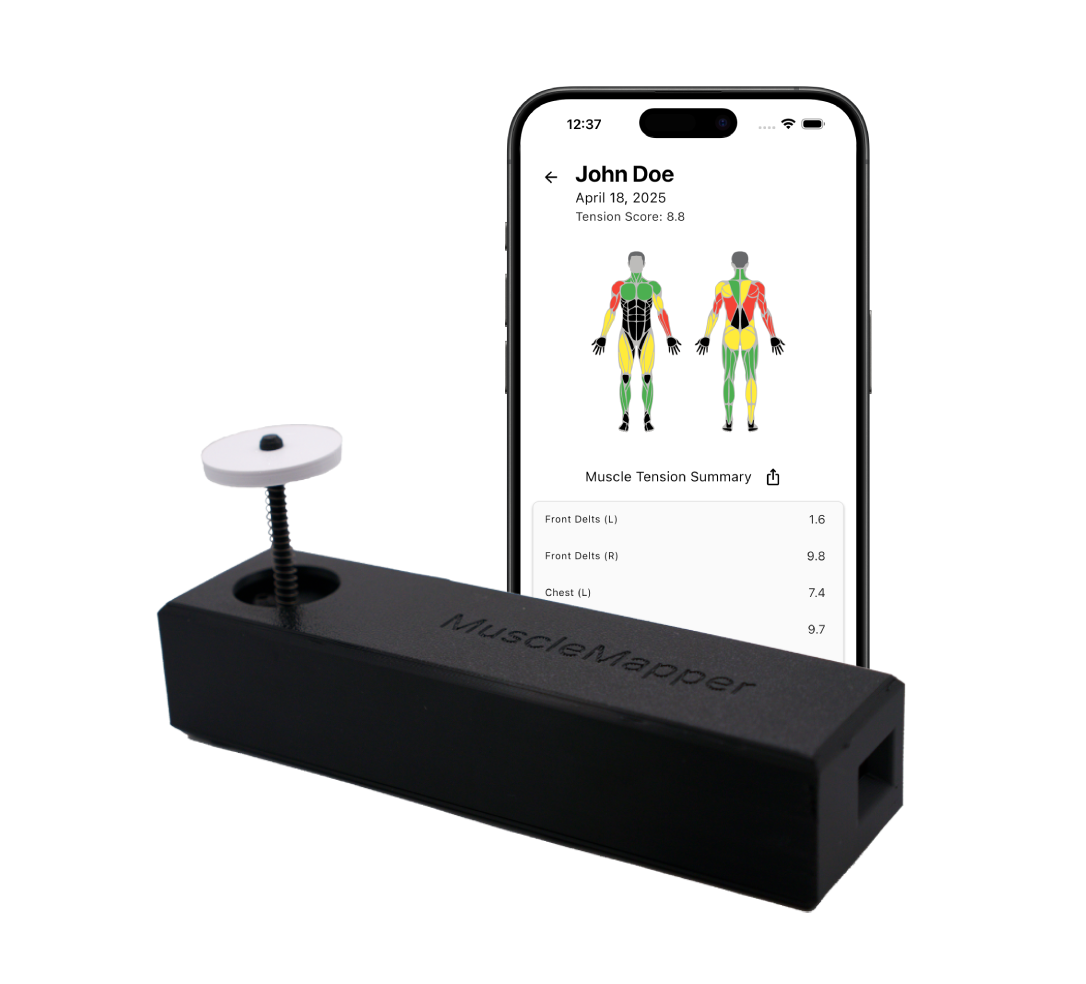
Options that fit a normal appointment include range-of-motion testing with an inclinometer, posture analysis, validated function questionnaires, and soft tissue stiffness measurement. A stiffness reading may reflect mechanical change the patient cannot feel yet, which is precisely the case where the patient is most likely to self-discharge.
Survey data: In a 2026 survey of 455 patients who stopped chiropractic care, 58% cited perception-based reasons: 36% felt no progress, and 22% felt better and stopped. Neither group was told their stiffness was still elevated.
The financial framing is simple. At the roughly $80 average chiropractic visit fee reported in the 2024 ChiroEco annual survey, losing five patients a month to early dropout is about $105,000 a year in potential revenue. A portal recovers some missed visits. Whatever addresses the 58% has a bigger ceiling.
Frequently Asked Questions
Do patient portals actually reduce no-shows?
Yes. An analysis of over 1.6 billion visits in 2024 found patients with an active portal account at the time of scheduling were 21.5% less likely to no-show, a rate of 6.2% versus 7.9% for non-users.
How much do appointment reminders help?
A 2026 systematic review and meta-analysis found reminder systems improved attendance with a pooled relative risk of 1.11 versus usual care, about an 11% lift. SMS reminders specifically came in at about 14%.
Will online booking fix a retention problem on its own?
No. Digital tools address logistics dropout, meaning missed appointments and friction. They do not address the patient who attends reliably and then stops because they believe nothing is changing.
What share of dropout is logistics versus perception?
In a 2026 survey of 455 patients who stopped chiropractic care, 58% gave perception-based reasons: 36% felt no progress and 22% felt better and stopped. Scheduling and logistics accounted for a much smaller share.
Can a portal help re-engage a patient who already dropped off?
There is trial evidence it can. In a randomized trial, portal-based reminders sent after a missed appointment produced a 22% rebooking rate within 30 days versus 11.6% for a mailed letter.
Is patient experience really a reason people leave a practice?
Survey data suggests it is significant. Reporting from Tebra found 65% of patients say they would switch providers for a better overall experience, covering communication, wait times, and digital convenience.
What should you add alongside digital tools?
A second channel of objective data the patient can see change in. Range-of-motion testing, posture analysis, and soft tissue stiffness measurement each give a patient something concrete when their pain score has plateaued.
One approach is to add a second channel of objective data alongside subjective pain reports. Options include soft tissue stiffness measurement (such as MuscleMap), range-of-motion testing, and posture analysis. Each gives you something concrete to show the patient rather than asking them to take your word for it.