
The single biggest lever for chiropractic patient retention is giving patients a second, objective channel of progress data that you actually show them at the visit. In a 2026 survey of 455 patients who stopped chiropractic care, 58% cited perception-based reasons: 36% felt no progress, and 22% felt better and self-discharged. A 2025 randomized trial in JAMA tested personalized data plus behavioral nudges for adherence and found that data alone, sent passively, did not significantly outperform usual care. The lift comes from the in-person interpretive moment, not from generating the data. A 2024 study in Frontiers in Sports and Active Living reported handheld myotonometry reliability of ICC 0.74 to 0.99 across most lower-extremity muscles, which is the kind of reproducibility you need to make objective re-exam data defensible to both the patient and the payer. The drift you are fighting starts early and quietly: a 2025 study in the Journal of Bodywork and Movement Therapies on patient no-shows and drop-offs found that patients fall out of manual-therapy care through a mix of practical barriers and low perceived need, and low perceived need is exactly what a visible progress signal counters.
Why do most retention tactics underperform?
Most retention advice focuses on the front end: digital intake, text reminders, online booking, friendlier staff. Those reduce friction at the appointment. They do not change what the patient decides between appointments. When a patient is in their car after visit seven trying to decide whether to book visit eight, the question they are answering is "is this actually working?" and the only data they have is how they feel right now.
Pain is unreliable for that decision in both directions. A 2025 study in the Journal of Bodywork and Movement Therapies showed tissue stiffness remained elevated after subjects had stopped reporting soreness. Patients who feel better are not always recovered. Patients who do not feel a change yet may already be improving in ways pain alone cannot see.
What does the dropout data actually say?
| Reason for stopping | Proportion | Addressable with objective data? |
|---|---|---|
| Felt no progress | 36% | Yes. Objective change visible even when pain is unchanged. |
| Felt better, self-discharged | 22% | Yes. Tissue data may still show residual change worth treating. |
| Cost or insurance constraints | ~25% (estimated) | No. Financial, not clinical. |
| Scheduling, logistics, other | ~17% (estimated) | No. Operational, not clinical. |
The 58% perception slice is the addressable problem. Reminders and online booking help the bottom rows of the table. They do almost nothing for the top two.
What does the evidence say about objective measurement?
Objective measures are recognized as the missing half of valid outcome assessment. A 2008 review in the Journal of Manipulative and Physiological Therapeutics divided chiropractic outcome assessment into subjective and objective determinations and argued both are needed.
The problem is that even the most common objective measure is applied loosely. A practice survey found roughly 95% of chiropractors measure range of motion visually rather than with a goniometer, which limits how reproducible the most common objective measure actually is. A 2025 scoping review found only one chiropractic clinical outcomes registry exists at any scale, which speaks to how rarely objective outcomes are tracked systematically.
The opportunity is to make the objective measure simple enough to apply at every re-examination and visual enough that the patient sees the result, not just the clinician.
How much revenue is on the line?
The math is straightforward. The ChiroEco 28th Annual Survey reported an average chiropractic visit fee of about $80. A practitioner losing five patients per month to early dropout loses roughly $105,000 per year in potential revenue, before counting the marketing cost of replacing them. Most clinics estimate the cost of acquiring a new patient at 5 to 7 times the cost of keeping an existing one.
Survey data: In a 2026 survey of 455 patients who stopped chiropractic care, 58% cited perception-based reasons: 36% felt no progress, and 22% felt better and stopped. Neither group was told their stiffness was still elevated.
What is the retention playbook that actually works?
Three layers, in priority order:
- Measure something objective at baseline and at every re-examination. Pick at least one measure the patient can see on a screen or chart. Range of motion with a goniometer, a validated questionnaire score, a tissue-level reading, or a posture image. The format matters less than the consistency.
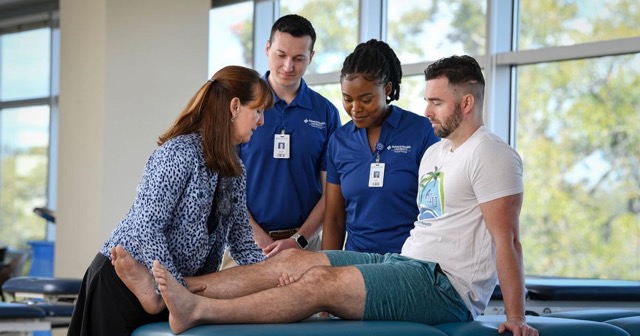
- Show the patient the result. Hand them the chart. Walk them through what changed since baseline. This is what most clinics skip, because the data is in the chart note rather than on a screen the patient sees.
- Use the result to set the next decision. "Your stiffness is down 30% but still 20% above the population reference. Here is what the next four visits are aimed at." This makes the treatment block a measurable target rather than a calendar.
Front-desk hygiene matters underneath this. Automated reminders, online scheduling, easy reactivation outreach. But none of those solves the core perception problem.
Frequently Asked Questions
What is the single biggest cause of chiropractic patient dropout?
Perception. In a 2026 survey of 455 patients who stopped chiropractic care, 58% cited perception-based reasons: 36% felt no progress, and 22% felt better and self-discharged. Both groups made the call based on how they felt, not on objective data about their tissue.
Do appointment reminders actually improve retention?
They reduce no-shows but do not solve the underlying problem. A patient who is not convinced their care is working will not stay because they got a reminder. Reminders work best when paired with concrete progress evidence at each visit.
How much revenue is at stake from early dropout?
Significant. The ChiroEco 28th Annual Survey reported an average chiropractic visit fee of about $80. A practitioner losing five patients per month to early dropout loses roughly $105,000 per year in potential revenue, before factoring in the cost of replacing those patients with new ones.
What objective tools do chiropractors use to show progress?
Common tools include goniometric range-of-motion measurement, validated questionnaires like the Oswestry Disability Index or Neck Disability Index, dynamometry for grip strength, posture analysis, and tissue-level measures like soft tissue stiffness measurement. Most clinics use a combination.
How often should I re-examine a patient?
Many clinics re-examine every 4 to 12 visits or roughly every 4 to 6 weeks, depending on patient condition and payer documentation requirements. The cadence matters less than what the re-exam actually measures: pain reports alone tend not to change a patient's mind.
Does a strong Report of Findings help retention?
Yes, if it shows objective evidence rather than just a treatment schedule. A Report of Findings that visualizes baseline measurements gives the patient something to anchor on, which makes later progress conversations specific instead of vague.
How reliable are the objective measurements you would re-test at each visit?
Modern handheld myotonometry is reproducible enough for serial use. A 2024 study in Frontiers in Sports and Active Living reported intraclass correlation coefficients between 0.74 and 0.99 across most lower-extremity muscles. Reliability that high makes a same-clinician trend across visits clinically meaningful rather than noise.
Is generating the data enough, or do you have to show it at the visit?
You have to show it at the visit. A 2025 randomized trial in JAMA found that personalized data and behavioral nudges delivered passively did not significantly outperform usual care for adherence. The lift comes from sitting with the patient for one minute and explaining what the trend means, not from generating the data in the chart.
What does the research say about why patients drop off in the first place?
A 2025 study in the Journal of Bodywork and Movement Therapies on patient no-shows and drop-offs found that patients leave manual-therapy care through a mix of practical barriers and low perceived need. Low perceived need is the part you can influence, and a visible objective progress signal is how you do it.
One approach is to add a second channel of objective data alongside subjective pain reports. Options include soft tissue stiffness measurement (such as MuscleMap), goniometric range-of-motion testing, and validated outcome questionnaires. Each gives the patient something concrete to look at when they are deciding whether to come back.